The Art of War in Battlefield 6: From Greenhorn to Field Commander
In the roaring chaos of large-scale warfare, the line between hero and casualty is razor-thin. You spawn into a vast, sprawling landscape where the horizon is stitched with the smoke of distant explosions and the air hums with the threat of unseen snipers. For the uninitiated, this is a disorienting, often frustrating, experience. You are one soldier among many, a fleeting presence on a map that feels impossibly large and unforgiving. But this chaos is not random; it is a complex symphony of strategy, and understanding its rhythm is the first step toward not just surviving, but dominating. This is not a list of tips; it is a new way of thinking—a reinterpretation of the digital battlefield that will transform you from a mere player into a tactical asset.
More Than a Loadout: Forging Your Battlefield Identity
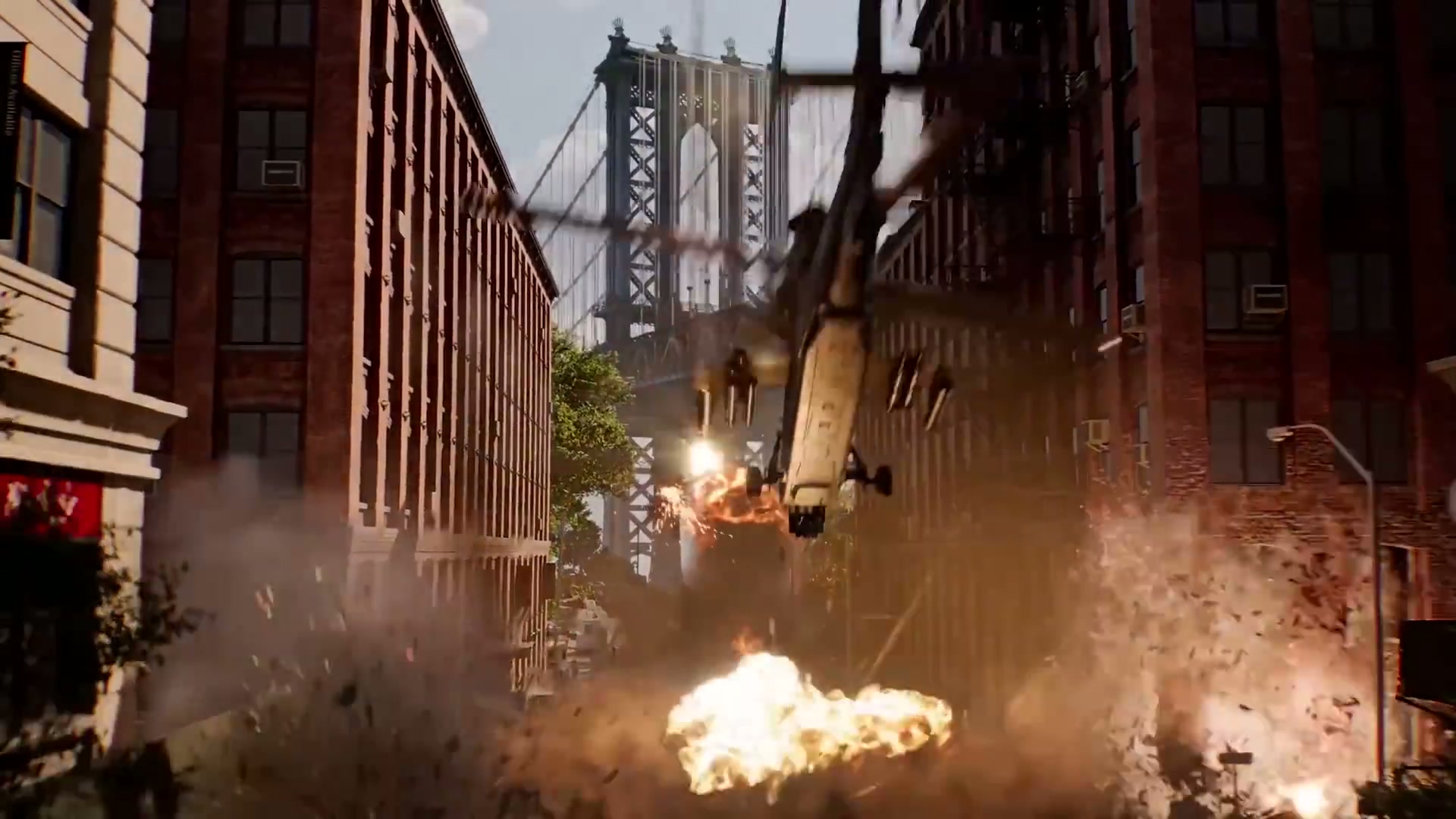
The journey to tactical mastery begins with a single, fundamental choice: who will you be? Battlefield 6 returns to the classic class system, presenting you with four archetypes: Assault, Engineer, Recon, and Support. This decision is far more profound than simply picking a weapon. It is about declaring your primary function within the intricate ecosystem of your team. Are you the tip of the spear, the shield of the vulnerable, the unseen eye, or the tireless backbone?
However, the true depth of your identity is unlocked through what are known as Field Specs. This is where a base class evolves into a specialized purpose. Think of the class as your profession and the Field Spec as your specialization. An Engineer is no longer just a "guy with a wrench"; they are either a Combat Engineer, passively repairing the vehicle they pilot and keeping the armored column pushing forward, or an Anti-Vehicle specialist, the dedicated hunter of enemy armor. A Support can become a Field Medic, the lifeline of any infantry push, or a Fire Support specialist, pinning down entire squads with suppressive fire. This dual-layered system is the core of your battlefield persona. It forces you to think beyond yourself and consider your synergistic role within the squad. Your abilities, whether it’s a sniper’s power to block revives on headshots or a frontliner's extra adrenaline syringe, are not just for you—they are tools to influence the flow of the entire engagement.
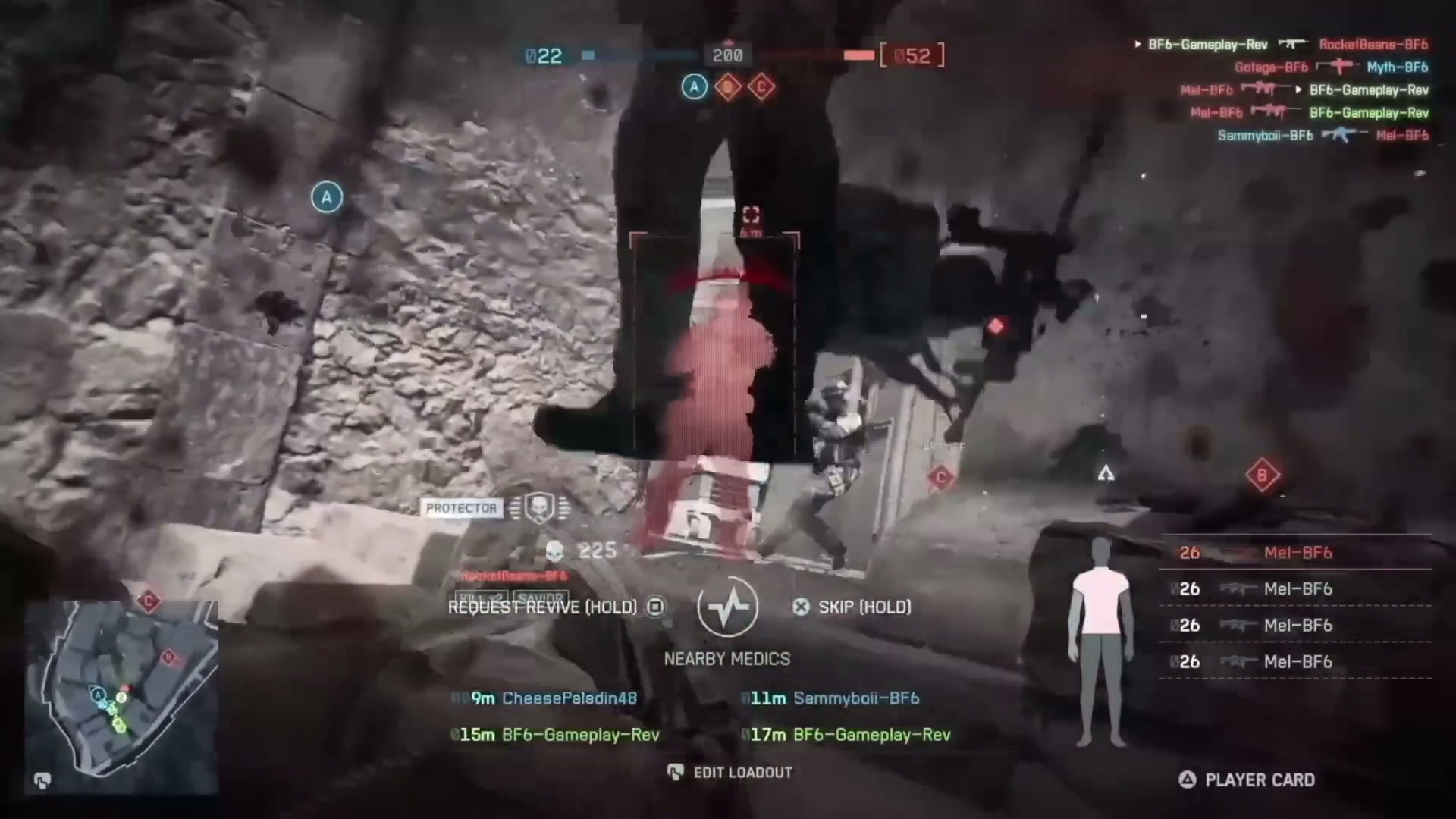
For those just beginning to navigate this world, the Support class offers the most immediate and tangible path to impact. It is a role built on altruism that is inherently powerful. You don't need to be a sharpshooter to be a hero; reviving a fallen squadmate with your defibrillator or dropping a much-needed ammo crate under fire can turn the tide of a battle more decisively than a dozen kills. Even the simple act of dragging a downed ally to safety before reviving them is a strategic move that preserves your team’s most valuable resource: its presence on the front line.
The Disciplined Trigger: Mastering the Ballistics of Battle
Once you have an identity, you must learn its language, and on the battlefield, that language is spoken through the muzzle of your weapon. Many new players are confounded by a phenomenon they mistake for poor hit detection: Weapon Bloom. The logic is simple yet punishing—the more you fire, the less accurate your shots become. Holding down the trigger in a sustained spray is a rookie’s mistake, a prayer sent into the void.
Mastering your weapon means embracing discipline. The key to accuracy at the medium ranges where most fights occur is the controlled burst. Fire a few rounds, pause for a microsecond to reset the bloom, and fire again. This cadence is the heartbeat of a skilled gunfighter. Your stance further dictates your precision; standing still, crouching, or going prone dramatically tightens your shot grouping. While immobility is a risk, a calculated pause to deliver a precise burst is often the difference between victory and a trip to the respawn screen.
This principle extends into more specialized tactics. For the Support laying down fire with an LMG, accuracy can sometimes be secondary to the psychological effect of Suppression. Firing near an enemy disrupts their auto-health regeneration, making them vulnerable for longer. In this role, a sustained spray isn't about hitting the target, but about controlling an area and making it uninhabitable for the enemy. Conversely, for the Recon sniper, precision is everything. The ability to zero your sights—adjusting the scope's point of aim to compensate for bullet drop over hundreds of meters—transforms long-range guesswork into a calculated science. It is the ultimate expression of a disciplined trigger, where a single, perfectly placed shot can neutralize a high-value target and unravel an enemy's defense.
The Hive Mind Principle: Why the Squad Is Your Ultimate Weapon
An individual soldier, no matter how skilled, is an island. A coordinated squad is an unstoppable tide. The central philosophy of Battlefield 6 is that the collective is exponentially more powerful than the sum of its parts. This is the Hive Mind Principle, an interconnected loop of information, action, and support that separates winning teams from disorganized mobs.
The starting point of this loop is shared intelligence. The pinging system is your most vital, non-lethal tool. A simple button press can mark an enemy's location, a strategic objective, or an incoming threat, instantly disseminating critical information to your entire team without a word. Even in death, you can contribute, pinging the enemy who downed you to prevent them from ambushing the medic coming to your aid. This constant flow of information allows your squad to move and react as a single, cohesive unit. Recon's auto-pinging drone is a powerful extension of this, painting a real-time picture of enemy positions during an assault on a control point.
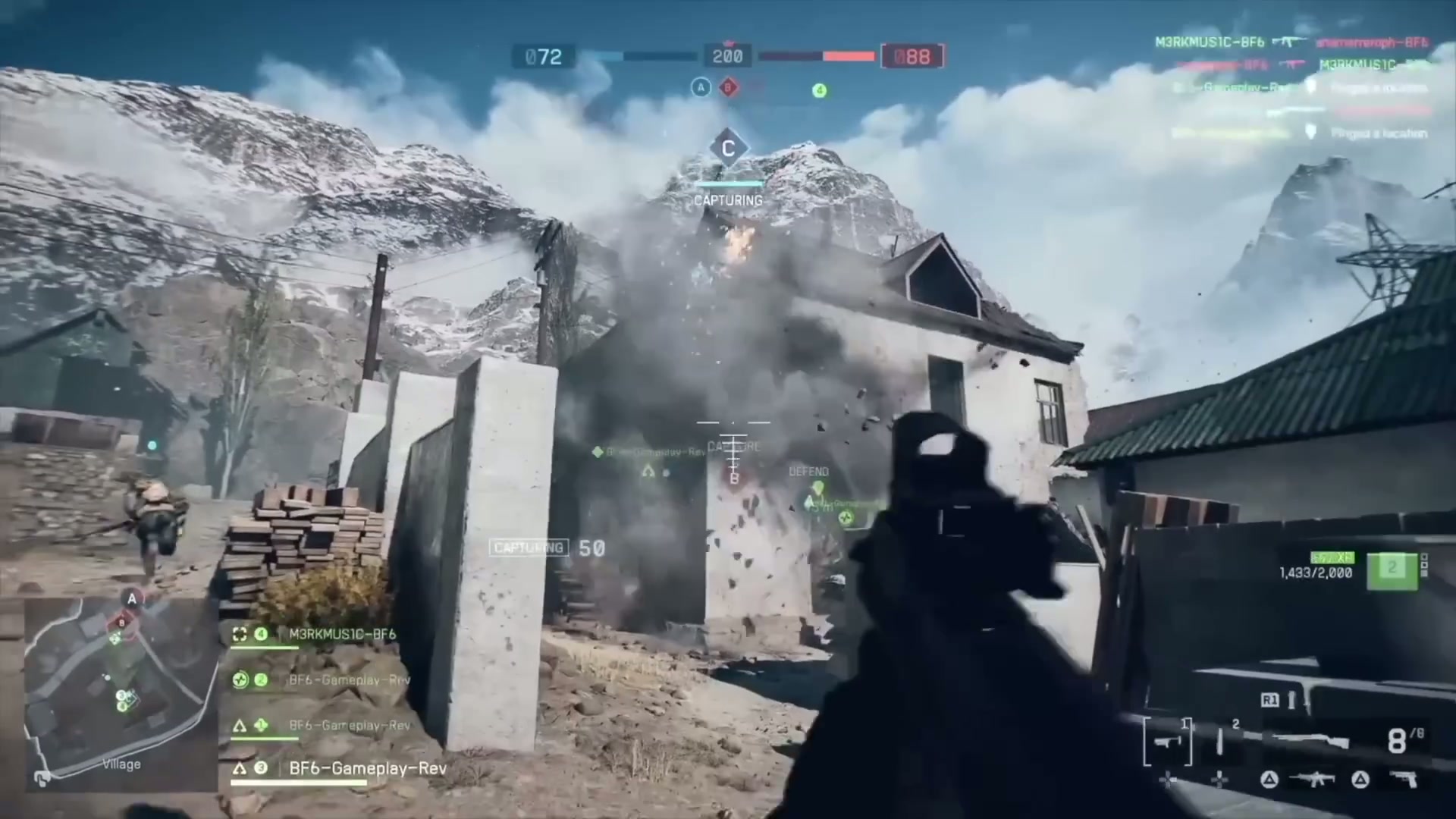
This information fuels coordinated action, most critically in capturing objectives. The game mechanics explicitly reward teamwork: the more allies present on a control point, the faster it is captured. A lone wolf attempting to seize a flag will be slow and vulnerable; a full squad descending on the point simultaneously can overwhelm and capture it with decisive speed. The HUD’s contested banner, showing the real-time count of friend and foe on the objective, is your tactical readout, telling you whether to push the attack, dig in and wait for reinforcements, or execute a strategic retreat.
Finally, the loop is sustained through mutual support. The "ticket" system is the game's lifeblood, and every time a player gives up and respawns, a ticket is lost. A revive, however, costs nothing. Therefore, waiting for a medic is not passive downtime; it is an active strategic decision that conserves your team's resources. The game encourages this with the "Request Revive" mechanic, which slows your bleed-out timer and highlights your position to nearby support players. This symbiotic relationship between combatants and support roles—from Medics restoring health to Engineers repairing vehicles—is what allows a team to endure attrition and maintain its momentum.
The Ever-Changing Ground: Victory Is Written in the Landscape
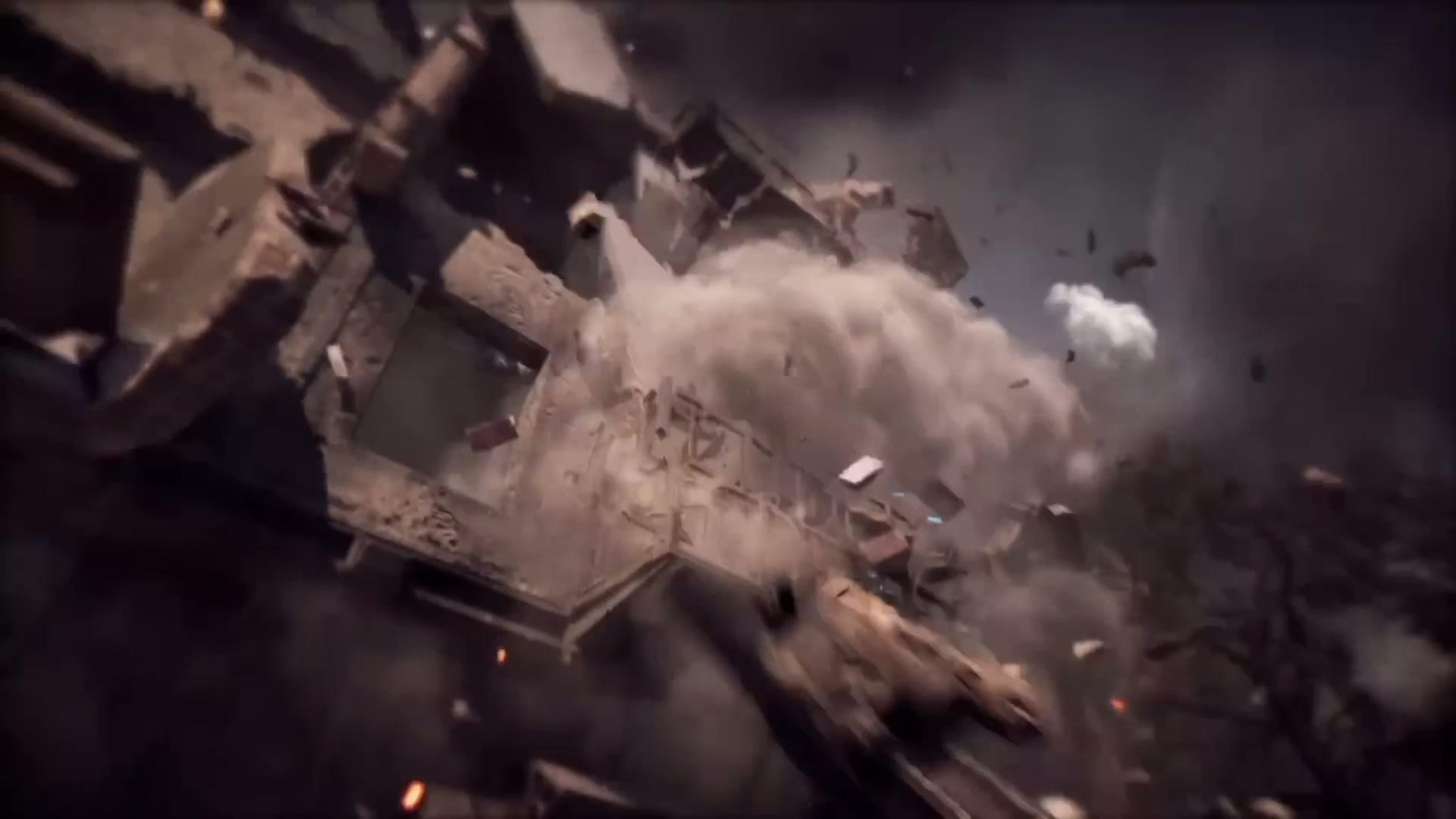
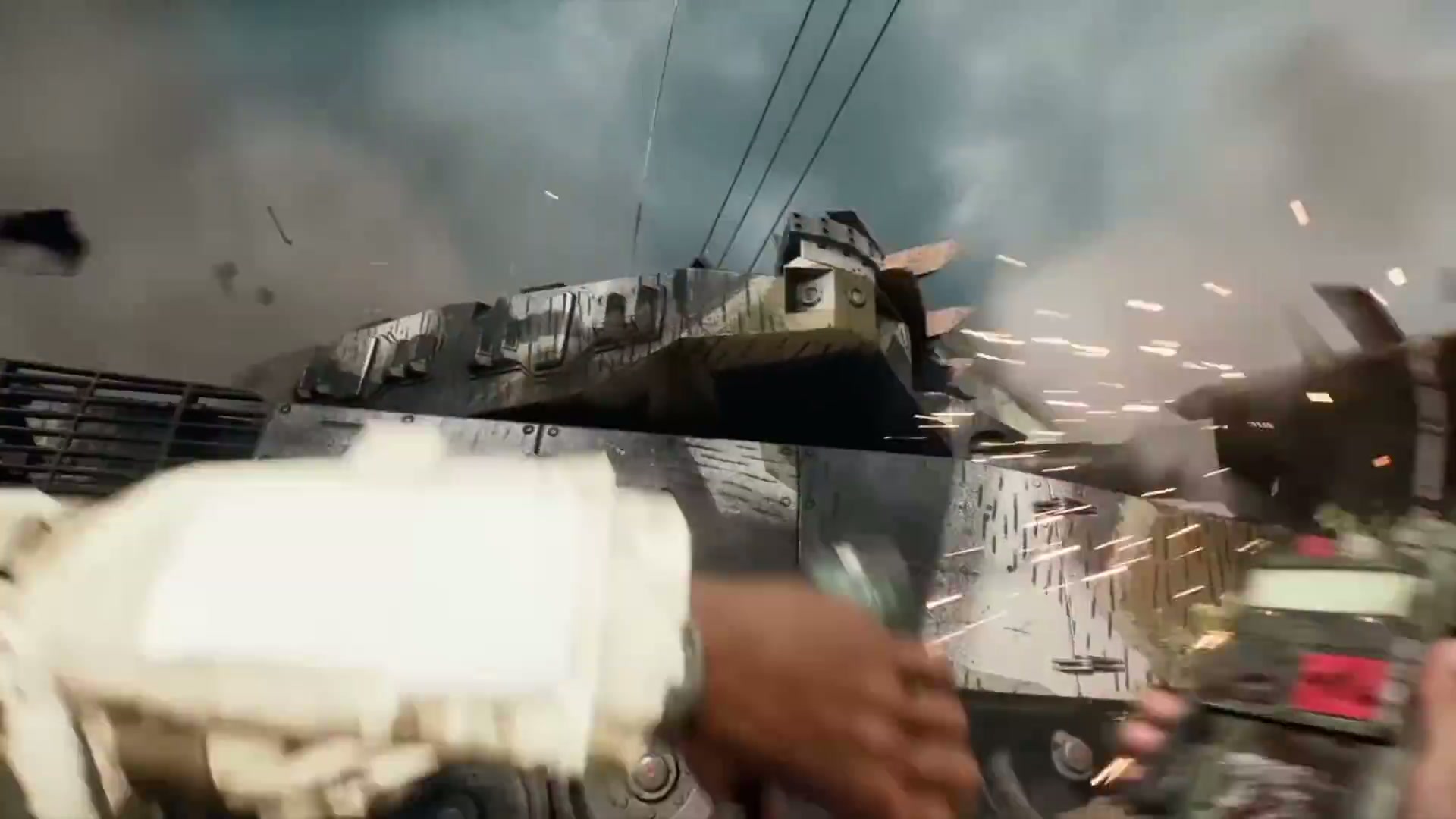
The final layer of tactical understanding in Battlefield 6 is realizing that the map is not a static stage for your conflict—it is an active participant. Each environment is a dynamic sandbox of cover, concealment, and destructible elements that changes based on the scale and mode of the game you are playing.
The massive map designed for a 64-player Conquest match is not the same arena you will fight in during a smaller Team Deathmatch session. The game intelligently sections off and redesigns areas to fit the intensity and flow of each mode. More importantly, the very rules of destruction can be altered. A building that can be leveled floor-by-floor in one mode might be indestructible in another to preserve the balance of a close-quarters fight.
This means that environmental knowledge is a weapon. Learning how buildings crumble, where new pathways open up, and which cover is temporary is crucial. Predictable destruction patterns allow for advanced strategies: collapsing a structure to eliminate campers, creating a rubble barricade for a defensive stand, or blowing a new hole in a wall to flank an entrenched enemy. Victory isn't just about out-shooting or out-maneuvering your opponent; it's about out-thinking them by reshaping the very ground on which you fight.
So, the next time you drop onto the battlefield, don't just see the chaos. See the systems, see the connections, see the symphony. Your true objective is not just to survive until the next spawn, but to become a conductor in this grand, violent orchestra.
Source of Inspiration: gameranx
Original Video: https://www.youtube.com/watch?v=8BLrOKWxq4k