Beyond the Crosshairs: A Veteran's Guide to Mastering the Battlefield 6 Mindset
Source of Inspiration: Arroz con Gaming Original Video: https://www.youtube.com/watch?v=R9Z0qgS0yGk
The Illusion of the First Shot
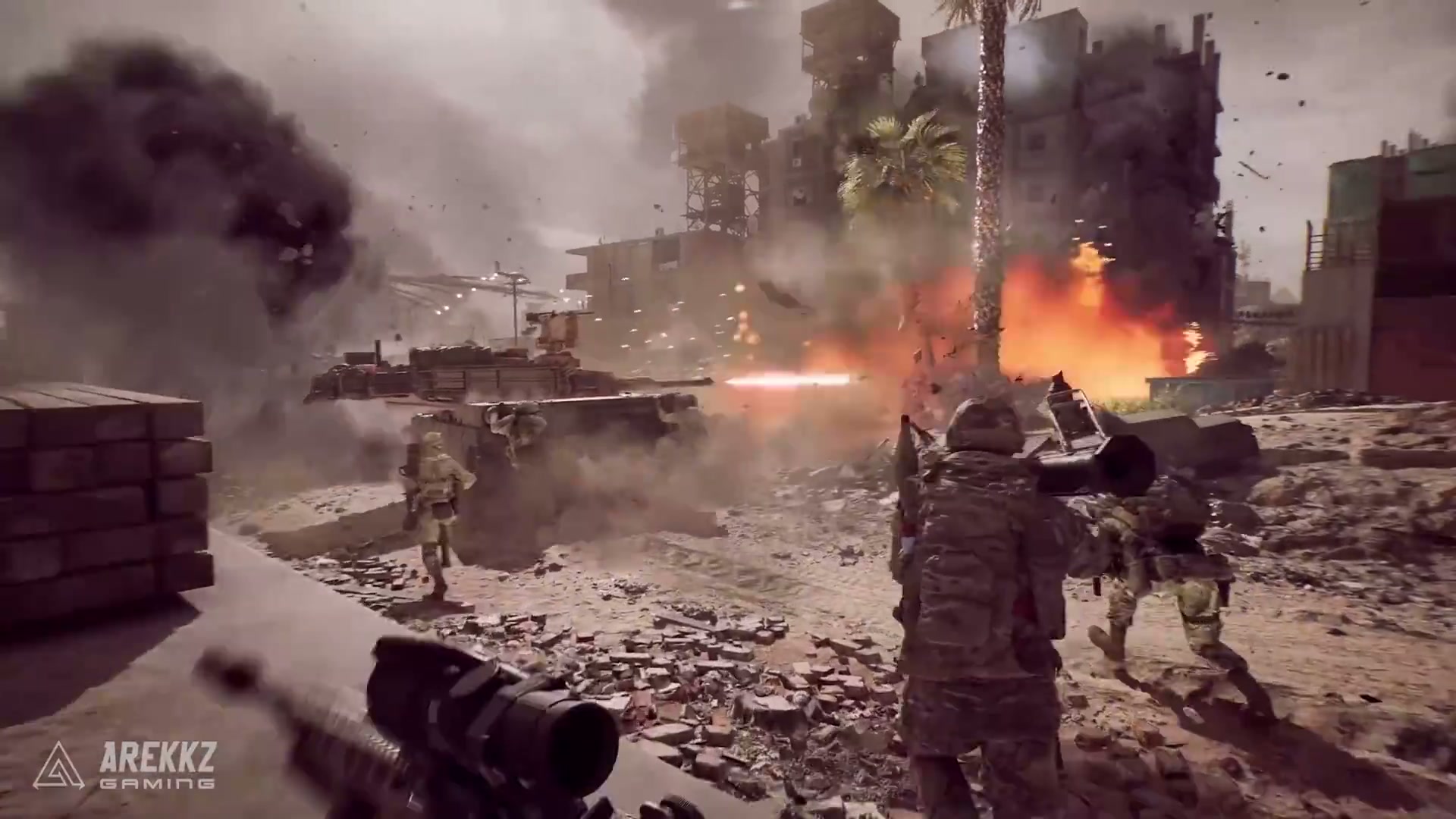
For the uninitiated, the sprawling chaos of a Battlefield 6 match is a symphony of explosions and gunfire, a frantic dance where survival seems a matter of luck and reflexes. The rookie's instinct is to spawn, sprint, and shoot, believing victory is won solely through the crosshairs. Yet, this is the grand illusion of the battlefield. The soldiers who consistently top the leaderboards, who seem to bend the flow of combat to their will, are not merely blessed with faster reflexes. They operate on a different plane, engaging in a deeper game that begins long before the first shot is ever fired. They understand that true dominance is not just about winning gunfights; it's about mastering the invisible systems that govern the entire war. This is an invitation to look past the muzzle flash and discover the architecture of victory, to transform your approach from a mere participant into a strategic commander of your own battlefield experience.
The Unseen Engine: Architecting Your Ascent
The starting point of all mastery lies in understanding the currents that carry you forward. In Battlefield 6, this is the progression system—an unseen engine that, when properly harnessed, accelerates your journey from fledgling recruit to battlefield veteran. Many see leveling up as a passive consequence of playing, but the master strategist views it as an active pursuit. The first step is to recognize the power of synergy; simply joining a party grants a tangible XP bonus, a small but constant tailwind pushing you forward. But the true acceleration comes from consciously engaging with the game's reward structure.
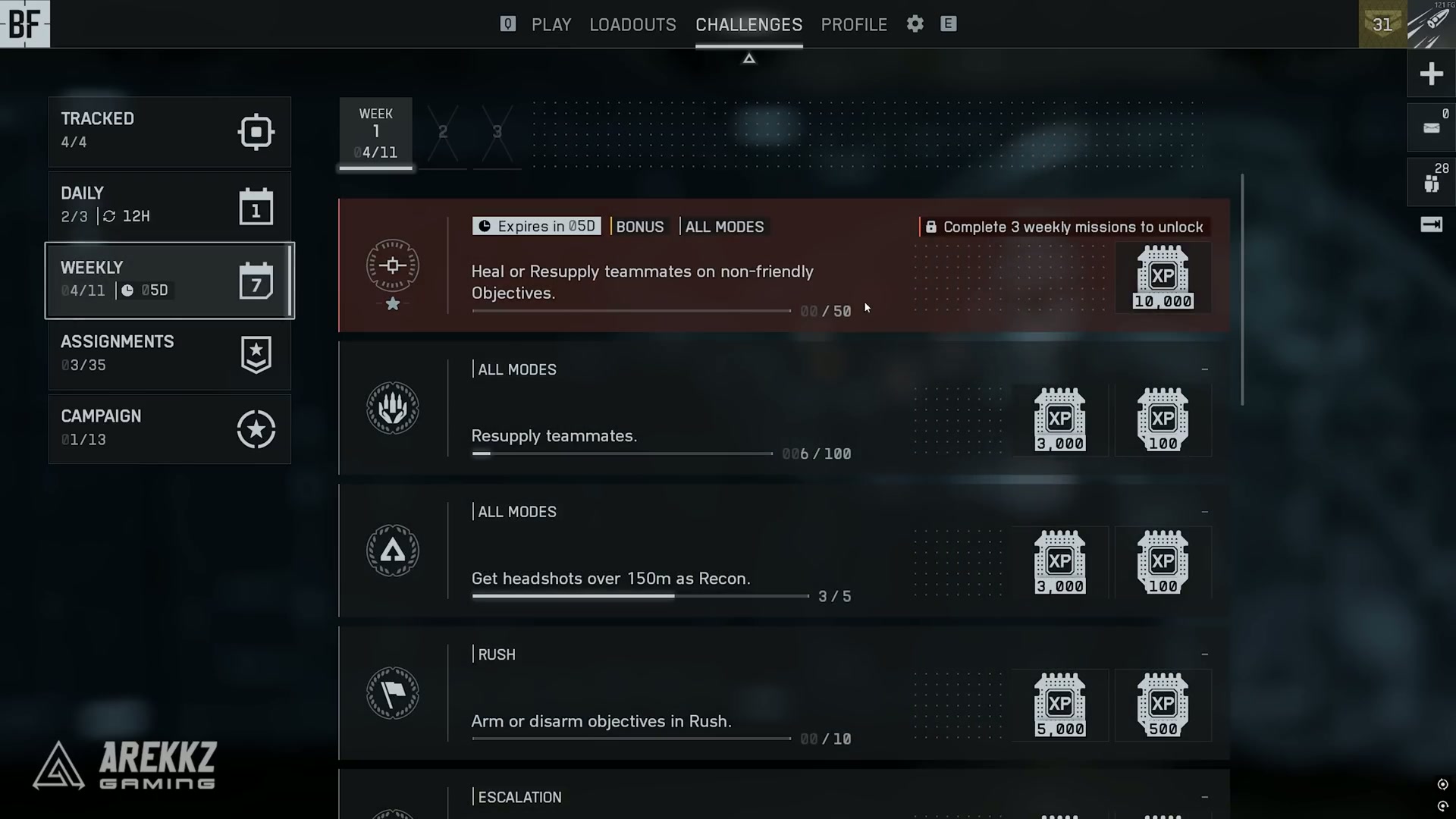
Think of the challenges and assignments not as tedious checklists, but as a curated roadmap to success. These objectives are designed to guide your focus, rewarding you with huge infusions of experience, powerful new gadgets, and essential tools that expand your tactical options. The initiation assignments serve as your basic training, teaching the fundamentals of team play and objective control. However, the true key lies in the class and weapon assignments unlocked later, which are the gateways to specialized equipment like the Assault's redeploy beacon or Recon's C4. By actively tracking these objectives in your in-game menu, you transform every match from a chaotic skirmish into a session of purposeful advancement. You're no longer just playing; you are building, intentionally architecting your arsenal and unlocking your potential with every calculated action.
Forging Your Edge: The Art of Personalized Warfare
The default settings and loadouts are a uniform given to every soldier, but the veteran forges their own armor and grinds their own sword. Your true power emerges when you begin to meticulously tailor every aspect of the game to your personal style, creating an extension of your own intent. This process begins not with a weapon, but with your very perception of the world. Tweaking your graphical settings is not about mere aesthetics; it is a tactical imperative. Increasing your field of view to around 100 is like gaining peripheral vision, allowing you to register threats you would have otherwise missed. Systematically stripping away visual noise—disabling motion blur, film grain, and vignette—clarifies the battlefield, making enemies pop from the background with stark visibility. It is the art of sculpting your senses for maximum combat awareness.
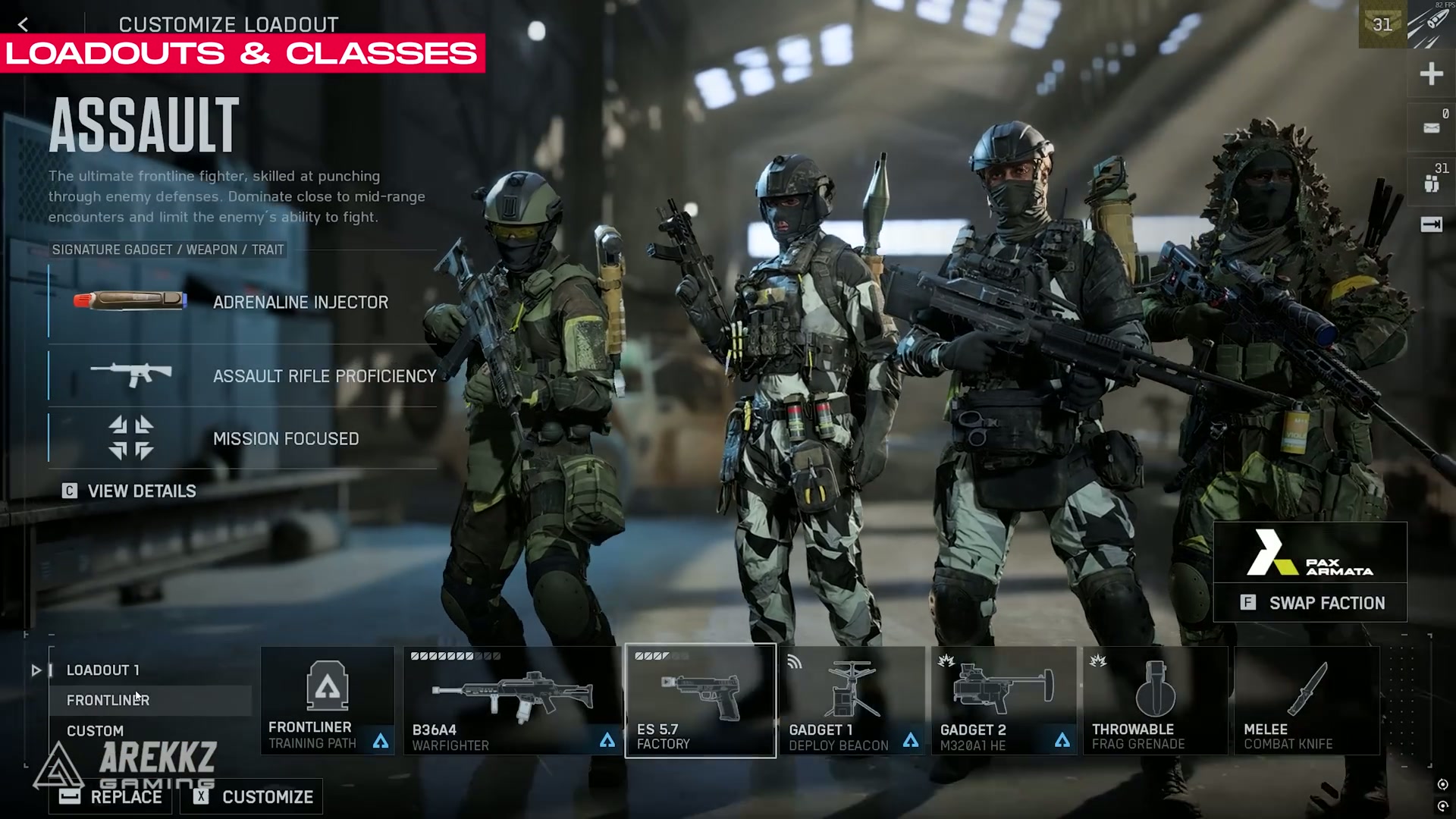
This philosophy of personalization extends deeply into your loadout. The new Training Path system is a microcosm of your in-match growth, a journey that culminates in a tide-turning active ability. Understanding that this progress is saved even when you switch classes allows for a fluid, adaptive approach to combat, selecting the right tool for the right moment. Furthermore, grasping the synergy between a class's innate traits—like an Assault's faster objective capture—and their signature weapon proficiency is crucial. While the system allows freedom, aligning your weapon choice with your class unlocks a layer of efficiency that the undisciplined player will never access. The weapon itself becomes the final canvas for this art of personalization. The 100-point attachment budget is a strategic puzzle, a game of trade-offs where you must balance recoil control against aim-down-sights speed, or stealth against raw power. Every choice, from a suppressor that erases you from the minimap to a specific ammo type that enhances your headshot damage, is a deliberate stroke in painting your masterpiece of destruction. To refine this creation, the firing range is not an option; it is a necessity—a laboratory where you can feel the subtle yet profound impact of each modification, honing your weapon until it is a perfect, seamless extension of your will.
Reading the Tides of War: From Chaos to Calculated Action
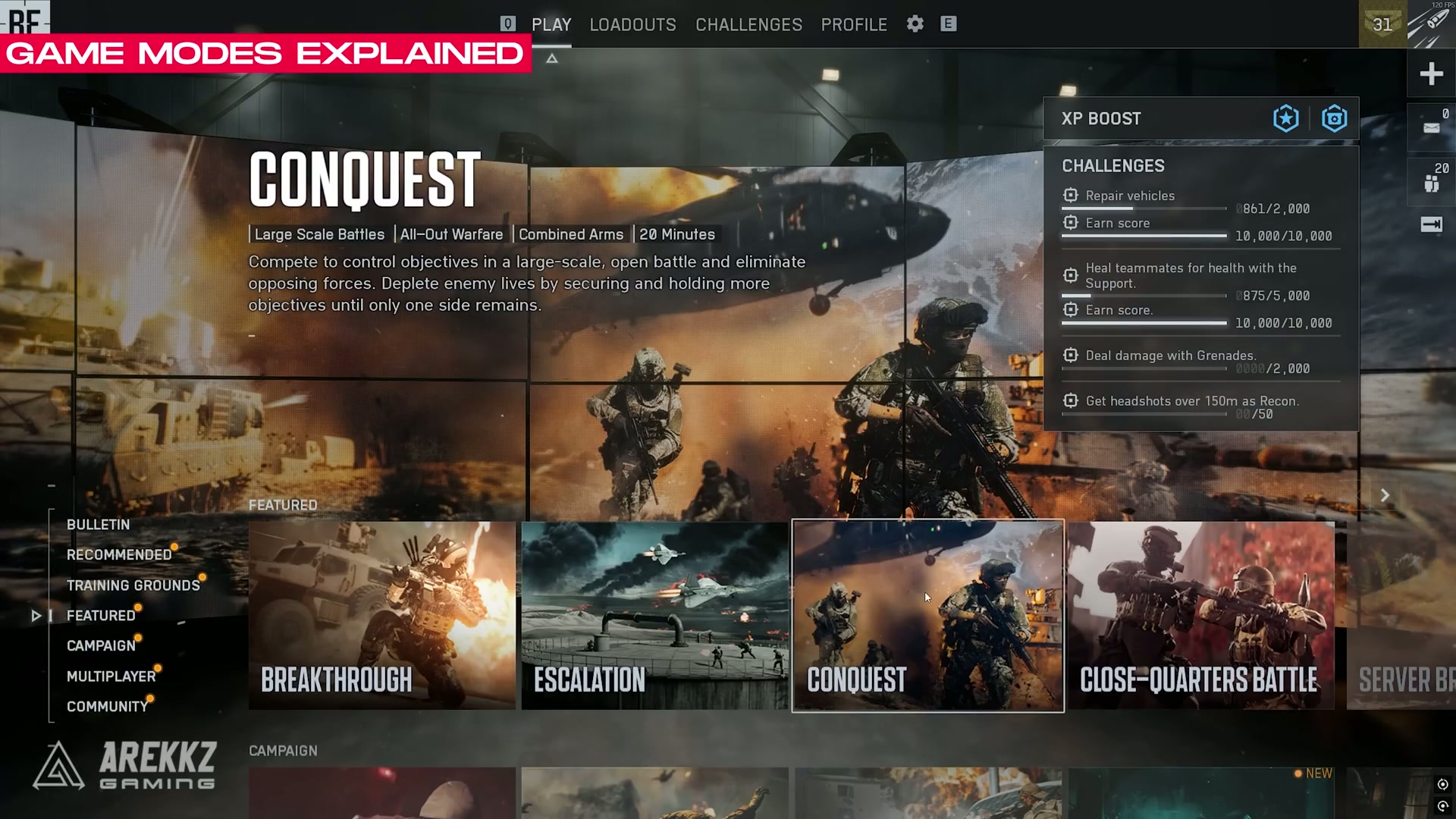
A rookie sees a map and a mode; a veteran sees a chessboard with a unique set of rules. Each game mode in Battlefield 6 is a distinct strategic challenge, demanding a different mindset and approach. To treat them all the same is to invite failure. Breakthrough is a relentless siege, a test of brute force and attrition. Escalation is a fluid tug-of-war, where momentum is king. The iconic Conquest is a grand strategy game of territorial control and ticket bleed. Rush is a high-stakes demolition mission, a focused dance of attack and defense. Understanding these fundamental flows is paramount.
Even more granular is the distinction between open and closed weapon lobbies, a subtle rule that completely redefines class roles and loadout choices. In a closed lobby, class identity is paramount, forcing a reliance on signature weapons and team synergy. In an open lobby, creativity and hybrid builds can flourish. The veteran player internalizes these nuances and adapts instantly. They know that the frantic, infantry-focused arenas of Squad Deathmatch or Domination are the perfect crucible for rapidly leveling weapons, free from the threat of enemy armor. They see the battlefield not as a static environment, but as a dynamic entity with its own rhythm and pulse. By learning to read these tides of war, you cease to be a pawn tossed about by chaos and become a player who anticipates moves, exploits openings, and dictates the terms of engagement.
The 'Total Soldier' Synthesis: A Framework for Battlefield Dominance
Reflecting on these individual strategies, a unifying framework emerges—a mental model we can call the "Total Soldier Synthesis." This is the convergence of three core pillars that, when mastered and integrated, create a truly formidable battlefield presence.
The first pillar is System Mastery. This is the conscious manipulation of the game's underlying progression mechanics. It’s about more than just gaining XP; it's about seeing the challenges, assignments, and boosters as a resource management game. The Total Soldier doesn't just play; they efficiently invest their time and effort to unlock their full potential and arsenal at an accelerated rate, ensuring they always have the best tools for the job.
The second pillar is Instrumental Fluency. This goes beyond simply using your equipment; it’s about achieving a state of perfect harmony with your tools. It begins with sculpting your sensory input through optimized settings and extends to forging a personalized weapon that feels like an extension of your body. It means your loadout is not a random collection of items but a curated toolkit, where every gadget, perk, and weapon choice serves a deliberate tactical purpose aligned with your playstyle.
The final pillar is Tactical Adaptability. This is the ability to read the battlefield’s changing conditions and fluidly adjust your strategy. It involves understanding the unique strategic demands of each game mode, recognizing the optimal class for a given situation, and mastering the nuances of movement and positioning. The Total Soldier is not rigid; they are a chameleon, seamlessly shifting from aggressive front-line assault to stealthy flanking maneuvers as the battle dictates.
True dominance is born not from excellence in just one of these areas, but from their synthesis. When you combine the foresight of System Mastery, the seamless execution of Instrumental Fluency, and the responsive intelligence of Tactical Adaptability, you become the Total Soldier—an agent of influence who doesn’t just react to the war, but shapes it.
The Battlefield Is You
In the end, after all the strategies are learned and every weapon is mastered, a profound truth remains: the ultimate battlefield is not the digital landscape on your screen, but the space between your ears. Your mindset, your foresight, and your adaptability are the most powerful weapons in your arsenal. The skills you cultivate here—the ability to see systems within chaos, to optimize tools for a purpose, to adapt strategy under pressure—are a reflection of a deeper capacity for mastery. Battlefield 6 is merely the canvas. So as you deploy into your next match, ask yourself: Are you simply playing the game, or are you playing the player? For in the answer to that question lies the path from soldier to legend.